





History of Clan MacQuarrie

The Noble Line: History of Clan MacQuarrie
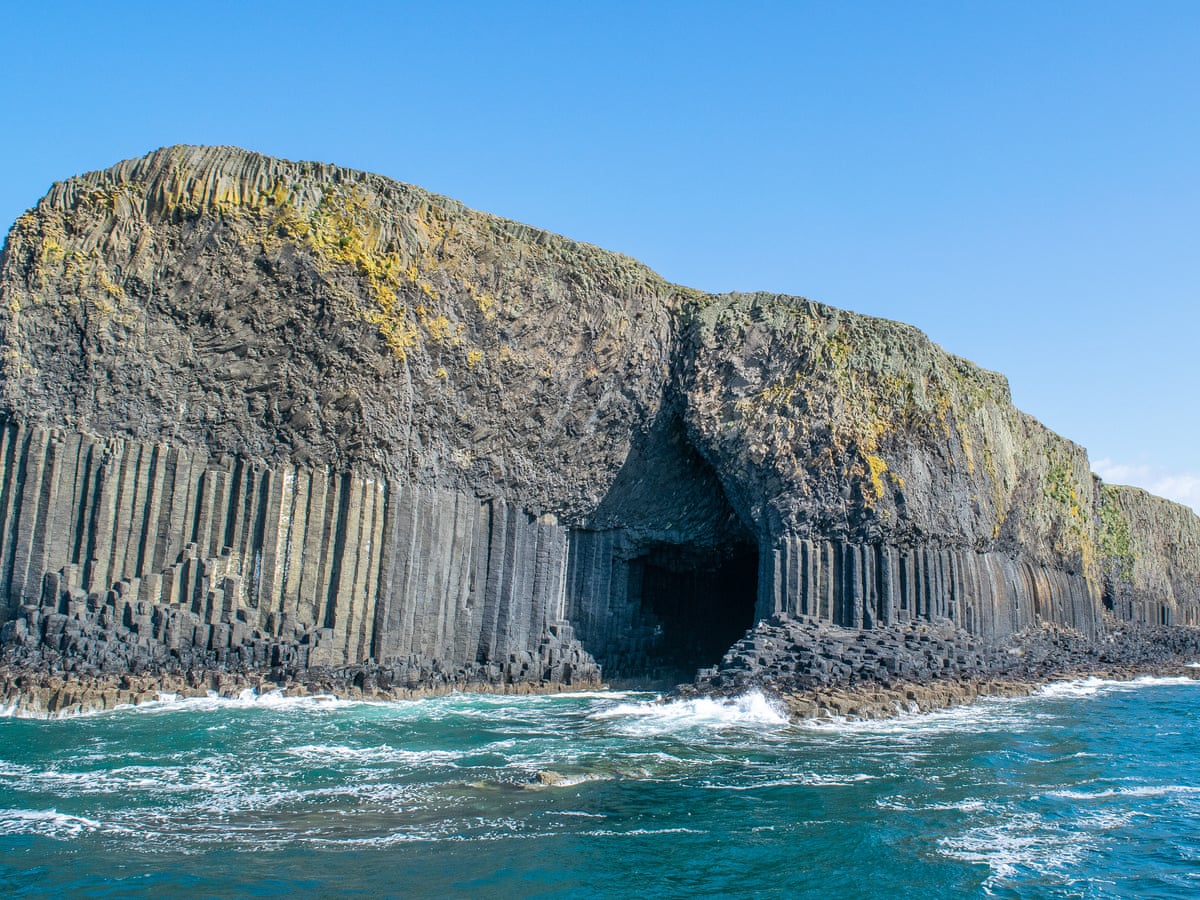
Clan MacQuarrie (Gaelic: Clann Guaire) is one of the most ancient clans in the Hebrides, tracing its descent from the royal Siol Alpin—the family of Kenneth MacAlpin, the first King of Scots. The clan takes its name from Guaire, a Gaelic word meaning "Noble." Tradition states that Guaire was a brother of Fingon (ancestor of the MacKinnons) and Anrias (ancestor of the MacGregors), linking these clans in a powerful bond of kinship. For centuries, the MacQuarries held the island of Ulva, located off the west coast of Mull, as well as lands on Mull itself and the staff-like island of Staffa, famous for Fingal's Cave.
Lords of the Isles and the Statutes of Iona
The MacQuarries were loyal followers of the Lords of the Isles. The first recorded Chief, John MacQuarrie of Ulva, died in 1473. Following the forfeiture of the Lordship of the Isles in 1493, the clan navigated the turbulent politics of the Hebrides, often allied with their powerful neighbors, the MacLeans of Duart. In 1609, the MacQuarrie Chief was one of the Highland leaders kidnapped and forced to sign the Statutes of Iona. This document was a government strategy to break the power of the Hebridean chiefs, forcing them to send their heirs to the Lowlands for education and curbing their traditional way of life.

The Tragedy of Inverkeithing (1651)
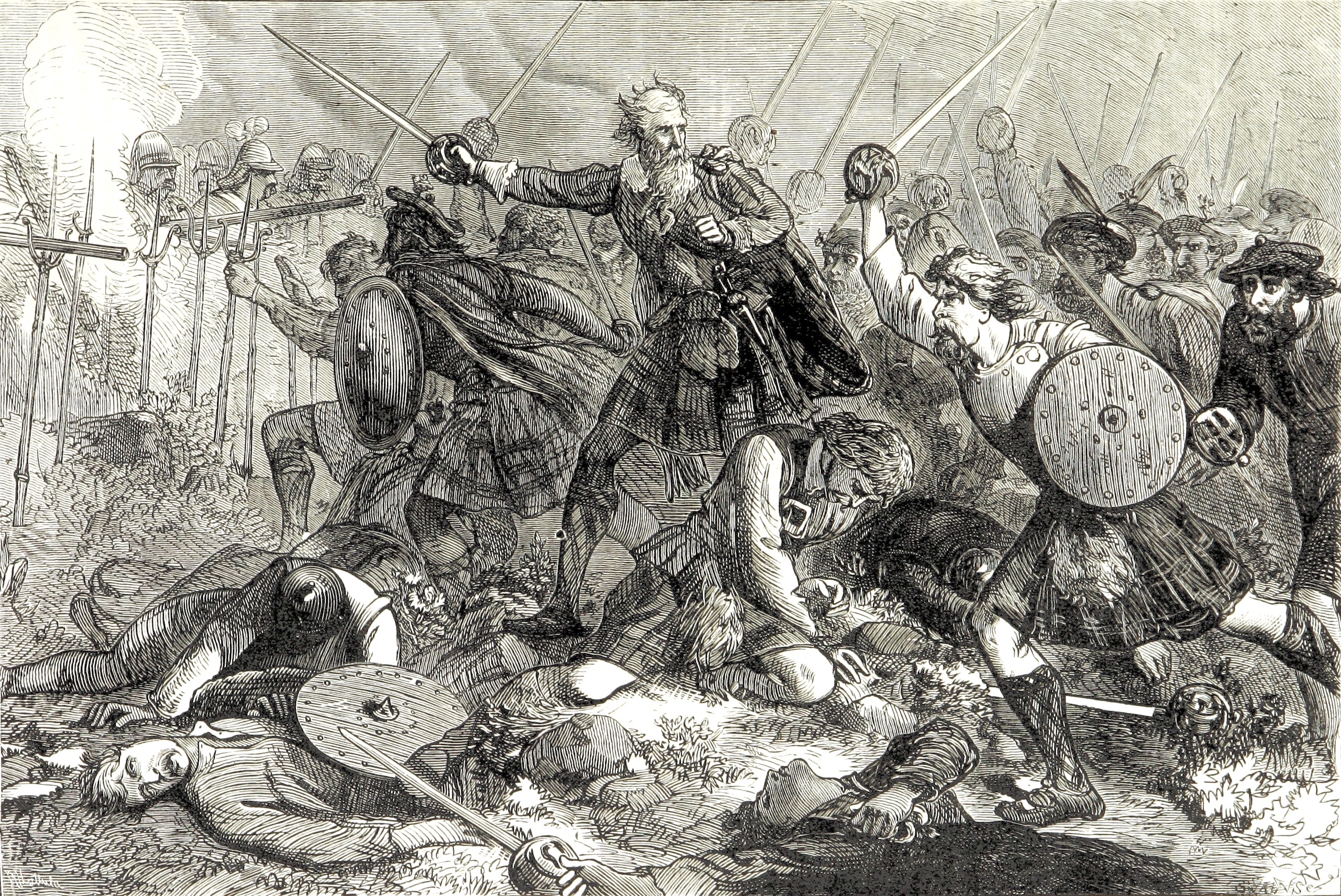
The clan suffered a devastating blow during the Civil War. Staunch Royalists, the MacQuarries joined the MacLeans to fight for King Charles II against Oliver Cromwell's Parliamentarian forces. At the Battle of Inverkeithing in 1651, the Scots were decimated. Allan MacQuarrie of Ulva, the Chief, and almost his entire following were slain in the battle. It is said that the MacQuarries fought with such ferocity that they were almost wiped out as a fighting force, a sacrifice remembered in their slogan An t-Arm Breac Dearg ("The Red Tartaned Army").
The Sale of Ulva and the End of an Era
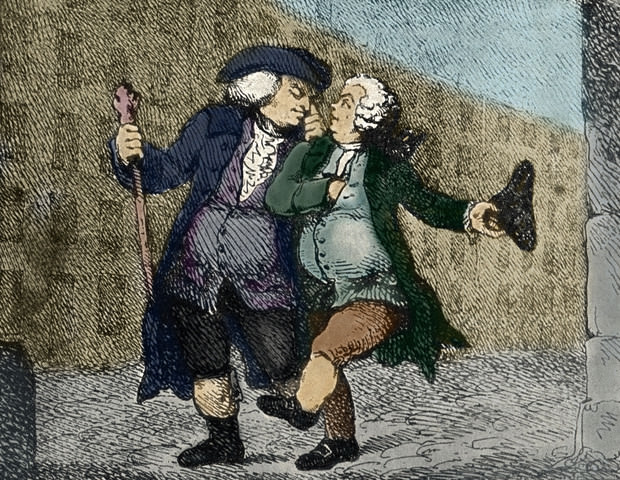
By the 18th century, the clan's fortunes were declining. In 1773, the famous travelers Dr. Samuel Johnson and James Boswell visited Ulva. They were hosted by the 16th Chief, Lachlan MacQuarrie, whom Boswell described as "intelligent, polite, and much a man of the world." However, hospitality could not pay the debts. In 1778, financial necessity forced Lachlan to sell the ancestral island of Ulva, ending centuries of ownership. Remarkable for his resilience, the aged Chief joined the British Army at 63, fought in the American Revolutionary War, and lived to the age of 103.
The Father of Australia
Though they lost their island, the clan produced one of the most significant figures in British imperial history. Major-General Lachlan Macquarie (1762–1824), a cousin of the last Chief, was born on Ulva. He became the Governor of New South Wales and is celebrated as the "Father of Australia." He transformed the penal colony into a thriving settlement, and his name is immortalized in places like Port Macquarie, Macquarie Island, and Macquarie University.
Today, the Chiefship is dormant, meaning Clan MacQuarrie is an armigerous clan. However, the clan society is active globally, uniting MacQuarries, McQuarries, and McCrearys in pride for their noble heritage.