





History of Clan MacIntyre

The History of Clan MacIntyre: Sons of the Carpenter
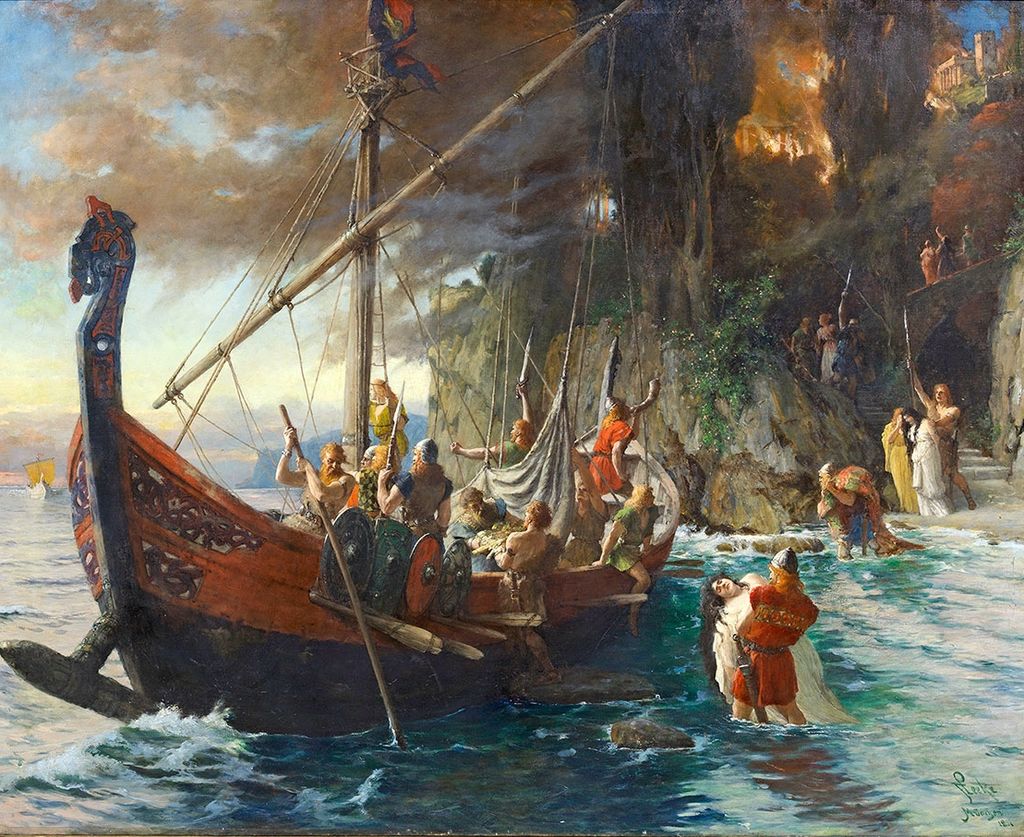
Clan MacIntyre (Gaelic: Clann an t-Saoir) translates to "Children of the Carpenter." This name is steeped in legend, tracing back to Maurice Mac Neil, a nephew of the great Somerled, King of the Isles. According to tradition, in the 12th century, Somerled sought to marry Ragnhilda, daughter of the Norse King of Man, Olav the Red. When Olav refused, Maurice Mac Neil secretly bored holes in Olav's ship, plugging them with tallow. When the ship set sail, the tallow washed away, and the King’s ship began to sink. Maurice promised to save the ship only if Olav agreed to the marriage. The King consented, and Maurice plugged the holes with wooden pegs he had prepared. From that day on, his descendants were known as "The Sons of the Carpenter" (MacIntyre).
Settlement in Glen Noe (13th – 17th Centuries)
The clan settled on the Scottish mainland at Glen Noe, situated on the east side of Loch Etive near the mighty Ben Cruachan. For centuries, the MacIntyre chiefs held this land, initially by the right of the sword. They became hereditary foresters to the Lords of Lorne, a prestigious position that they maintained even as control of the region passed from the MacDougalls to the Stewarts and finally to the Campbells.
By the 17th century, the MacIntyres acquired feudal obligations to the Campbells of Breadalbane. Initially, the rent for Glen Noe was purely symbolic: a snowball in midsummer and a white calf, which was killed and shared between the landlord and tenant.

Survival During the Civil Wars (1640s)
During the Wars of the Three Kingdoms, the MacIntyres found themselves in a precarious position. The Marquess of Montrose and his Royalist army (including Alasdair MacColla) marched through Argyll, destroying the lands of clans loyal to the Campbells. The MacIntyre Chief, expecting his home to be burned, fled. However, Alasdair MacColla ordered the flames extinguished and the property spared. He did this in recognition of the ancient kinship between the MacIntyres and the MacDonalds, honoring the service Maurice the Carpenter had rendered to Somerled five hundred years earlier.

Pipers, Bards, and the 18th Century
The MacIntyres were not just foresters but also renowned artists.
-
Pipers: The MacIntyres of Rannoch served as hereditary pipers to the Chiefs of Clan Menzies and the MacDonalds of Clanranald. They composed significant pibrochs, including the commemoration of the Battle of Sheriffmuir.
-
The Fair Duncan: The most famous son of the clan is Duncan Ban MacIntyre (Donnchadh Bàn), born in 1724. Known as "Fair Duncan of the Songs," he is regarded as one of Scotland's greatest Gaelic poets. Despite being illiterate, he composed masterpieces like "The Praise of Ben Dorain" and "Song of the Breeches," the latter celebrating the repeal of the ban on kilts.

Emigration and Revival
The symbolic rent of the snowball and calf was eventually replaced by money, which the Campbells progressively increased. By 1806, the 4th and 5th Chiefs could no longer afford the payments and were forced to relinquish the tenancy of Glen Noe. They emigrated to the United States, leaving the clan leaderless in Scotland.
The Chiefship lay dormant for nearly two centuries. However, in 1991, the Lord Lyon King of Arms officially recognized James Wallace MacIntyre of Glenoe as the rightful Chief. Today, the clan has regained its seat on the Council of Clan Chiefs, ensuring that the "Sons of the Carpenter" are remembered and celebrated worldwide.