





History of Clan MacGillivray

The Valiant History of Clan MacGillivray
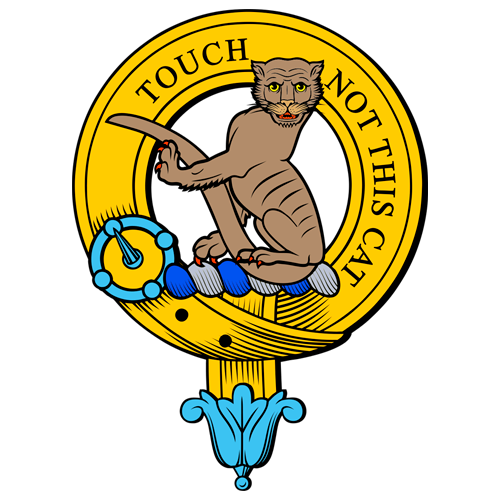
Clan MacGillivray (Gaelic: Clann Mhic Gillebrath) is a distinguished Highland clan renowned for its martial prowess and enduring loyalty. The name translates from Gaelic as "Son of the Servant of Judgment," hinting at an ancient ecclesiastical or judicial origin. They were a significant power in the Western Isles even before the legendary Somerled drove the Norsemen out in the 12th century.
Origins and the Chattan Confederation
The Ancient Roots The early history of the clan is rooted in the mist-shrouded islands of Mull and Morvern. Tradition links them to the Siol Gillebride (Seed of Gillebride), suggesting a shared ancestry with Clans MacInnes and MacMaster. However, the clan's destiny changed in 1222, when King Alexander II of Scotland subdued Argyll, scattering the Clann Mhic Gillebrath. While some remained in Mull, a significant portion of the clan migrated eastward. Around 1268, tradition asserts that the MacGillivray Chief placed his people under the protection of the Clan Mackintosh. This pivotal decision integrated them into the powerful Chattan Confederation (Clan Chattan), a vast alliance of clans led by the Mackintoshes.
Distinction in Battle (14th–15th Centuries) The MacGillivrays quickly distinguished themselves as fierce warriors within the Confederation. In 1330, Ivor MacGillivray was killed at the Battle of Drumlui fighting against the Camerons. By the 15th century, the clan was firmly settled at Dunmaglass ("The Fort of the Grey Man’s Son"), which would remain their seat for centuries. Records from the mid-1400s mention a chief named Ian Ciar (Brown Ian), whose descendants witnessed important charters for the Mackintosh chiefs. The MacGillivrays became a pillar of the Confederation, their leaders frequently appearing in documents as key supporters of the Mackintosh chiefs.
The Era of Conflict (16th–17th Centuries)
Feuds and Loyalty The 16th century saw the clan deeply involved in Highland politics. In 1594, the MacGillivrays fought in the royal army under the young Earl of Argyll at the disastrous Battle of Glenlivet. Despite the defeat, their loyalty to the Crown and their allies remained unshaken.
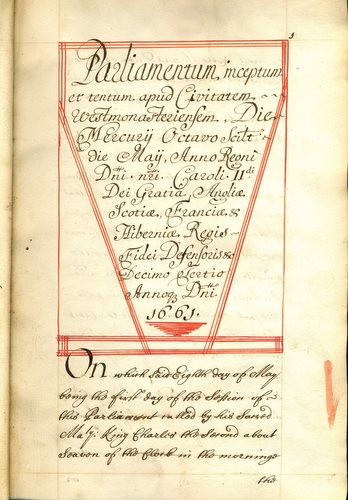
In 1609, a great "Band of Union" was signed at Termit, cementing the alliance between the various septs of Clan Chattan. Malcolm MacGillivray of Dalcrombie and Duncan MacGillivray of Dunmaglass represented the "haill kin and race of Macgillivray." This document formalized their status as a premier clan within the Confederation. The clan also faced persecution during this era. As staunch Episcopalians, they were often at odds with their Presbyterian neighbors, adding religious tension to the already volatile clan rivalries.
The Jacobite Risings and the Hero of Culloden
Staunch Jacobites The MacGillivrays were fervent supporters of the House of Stuart. They rose in both the 1715 and 1745 Jacobite Rebellions. It was in the '45 that the clan achieved its greatest fame—and suffered its greatest tragedy.
Alexander MacGillivray and the '45 When Bonnie Prince Charlie arrived in 1745, the Chief of Clan Chattan (Mackintosh) was a serving officer in the British Army. However, his wife, the legendary Lady Anne Farquharson-MacKintosh ("Colonel Anne"), rallied the Confederation for the Prince. Recognizing the leadership qualities of Alexander MacGillivray of Dunmaglass, she placed him in command of the entire Clan Chattan regiment.
The Charge at Culloden (1746) At the Battle of Culloden, the Clan Chattan regiment was in the center of the Jacobite line. Frustrated by the deadly government artillery fire, Alexander MacGillivray led a ferocious charge. He and his men broke through the first line of government troops, engaging in desperate hand-to-hand combat. Alexander fell in the thick of the fighting, reportedly killing a dozen enemies before succumbing to his wounds. His body was found well beyond the enemy lines, a testament to his bravery. The aftermath was devastating. Many MacGillivrays lay dead on the moor, and a graveyard at Dunlichity still commemorates the fallen. Following the defeat, many survivors were forced to emigrate to North America, where they became successful traders and pioneers.
The Modern Era: A Clan Revived
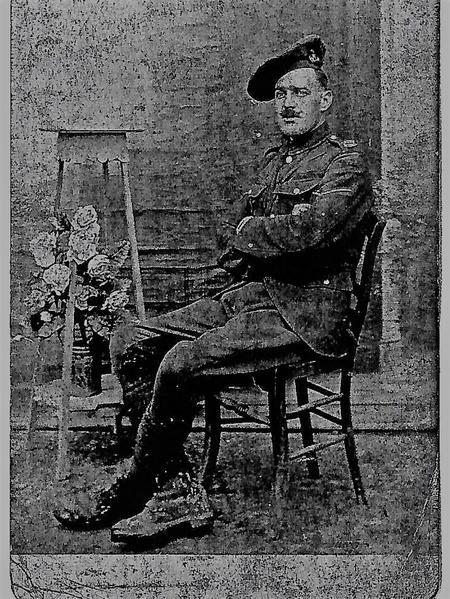
The Dormancy The last Chief to reside at Dunmaglass was Captain John William MacGillivray, who was forced to sell the estate and died without an heir in 1914. The title passed to a Canadian cousin, John Farquhar MacGillivray, who served as Chief until his death in 1942. For over 70 years, the Chiefship lay dormant. Several attempts were made to claim the title. Colonel George B. MacGillivray, another Canadian, petitioned the Lord Lyon three times. While he was not recognized as Chief, he was commissioned as Commander of the Clan in 1989, serving until his death in 1994.
A New Chapter (2016) In 2016, the clan took a historic step forward. A Derbhfine (Family Convention) was held at Culloden, attended by clansmen from around the world. They nominated Iain Donald MacGillivray for the role of Commander. The Lord Lyon accepted the nomination, commissioning him to lead the clan. Today, under his leadership, Clan MacGillivray is once again a vibrant community, honoring the legacy of the "Servant of Judgment" from the Hebrides to the Highlands and beyond.