





History of Clan MacDougall

The Lords of Lorne: An Epic History of Clan MacDougall

Clan MacDougall is a clan of royal origin, tracing its lineage to the great Somerled, the 12th-century King of the Isles. The clan takes its name from Somerled’s eldest son, Dougall. The name itself, derived from the Gaelic Dubh-Ghall, means "Dark Stranger," a term used to describe the Danes, reflecting the clan’s powerful Norse-Gaelic heritage. In the 13th century, the MacDougalls were the undisputed "Kings of the South Isles and Lords of Lorne," ruling a vast maritime kingdom from the rugged coast of Argyll.

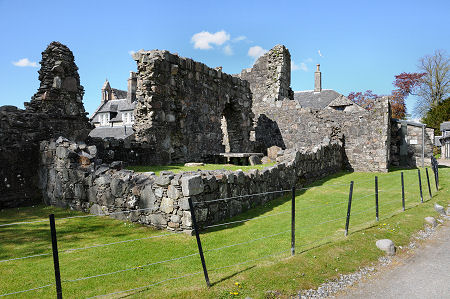
The Castle Builders and the Norse Connection The MacDougalls were prolific builders, constructing a network of formidable stone castles to guard their empire. On the mainland, they built Dunstaffnage, Duntrune, and their historic seat, Dunollie Castle. On the islands, they fortified Aros, Coeffin, and Cairnburgh. They also founded Ardchattan Priory, the sacred burial ground of the chiefs.
Their power was so great that they held a dangerous dual allegiance: loyal to the King of Norway for their islands and the King of Scots for their mainland territories. This came to a head in 1263 when King Haakon IV of Norway arrived with a massive invasion fleet. The MacDougall Chief, Ewan, refused to join the invasion but also refused to fight his Norse kinsmen, navigating a perilous political storm that ended with the Scottish victory at the Battle of Largs.
The Blood Feud with Robert the Bruce The defining chapter of MacDougall history is their bitter feud with Robert the Bruce. Through marriage, the MacDougalls were closely allied with the Comyns. When Bruce murdered John "The Red" Comyn at the altar in Dumfries in 1306, the MacDougalls swore revenge.
-
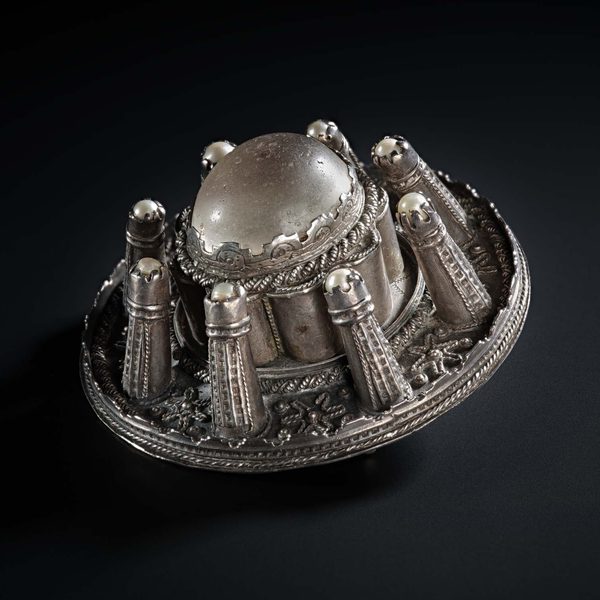
The Battle of Dalrigh (1306): In a surprise ambush, the MacDougalls defeated Bruce’s army. The fighting was so fierce that Bruce barely escaped capture. During the melee, a MacDougall warrior tore the clasp from the King’s cloak. This artifact, known as the Brooch of Lorne, remains the clan’s most deeper treasure to this day.
-
The Battle of the Pass of Brander (1308): Revenge came two years later. Bruce returned with seasoned veterans and crushed the MacDougall forces in a narrow mountain pass. The clan’s lands were forfeited and granted to their rivals, the Campbells, forever altering the balance of power in Argyll.
[
Civil War and the Battle of Stalc Despite the loss of their lordship, the clan remained a martial force. In 1468, they fought a bloody battle against the Stewarts of Appin at the Battle of Stalc, a conflict fueled by territorial disputes. During the Civil War of the 17th century, Chief Alexander MacDougall led 500 clansmen in support of the Royalist cause, fighting alongside the Marquess of Montrose. Although they suffered defeat, their loyalty to the Crown eventually saw their lands restored in 1660.
Jacobites and Modern Branches The MacDougalls maintained their Stuart loyalty during the Jacobite Risings. They fought at the Battle of Sheriffmuir in 1715, leading to the Chief’s exile. In 1745, while the Chief prudently stayed out of the conflict, his brother and many clansmen fought at Culloden.
Today, the clan flourishes through three distinct historic branches:
-
MacDougall of Dunollie: The Chiefly line, still residing at the ancestral Dunollie Castle.
-
MacDougall of Gallanach: A branch with deep maritime roots near Oban.
-
MacDougall of Lunga: Famous for their slate mining heritage on the islands.