





History of Clan MacColl

The Loyal History of Clan MacColl
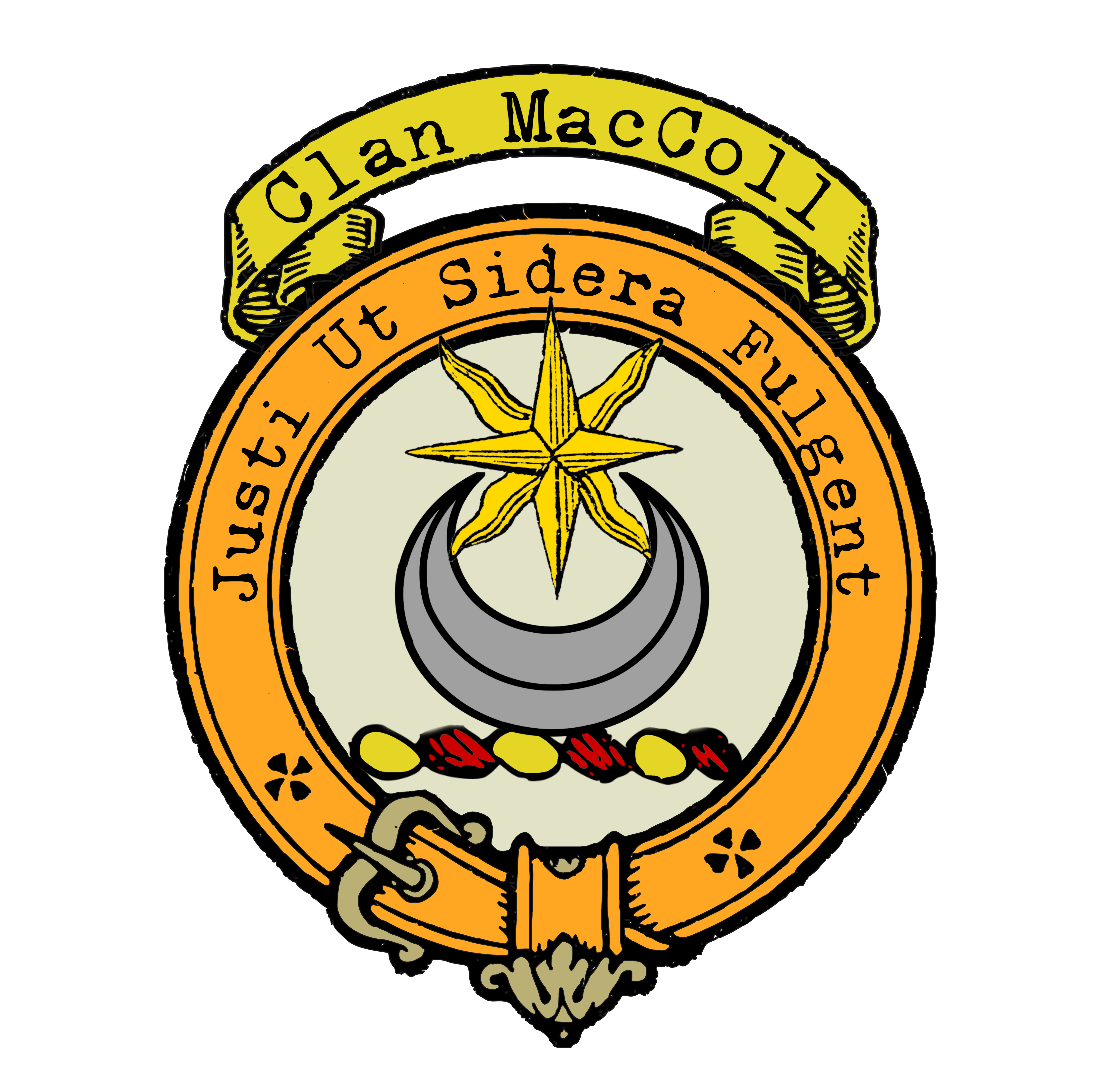
The name MacColl (Gaelic: MacColla) means "Son of Coll." The clan traces its ancient roots to the great Clan Donald and the Irish King Colla Uais. While they are a distinct family, they share the Sprig of Heather badge with the MacDonalds, symbolizing their shared ancestry. Over centuries, the MacColls split into four main branches, with the most famous being the MacColls of Appin and the MacColls of Glasdrum.

The Defenders of Appin The MacColls are best known for their fierce and unwavering loyalty to the Stewarts of Appin. This bond was so strong that a tradition existed where the Stewart Chief was buried with a MacColl warrior on either side of him—protection even in the afterlife.
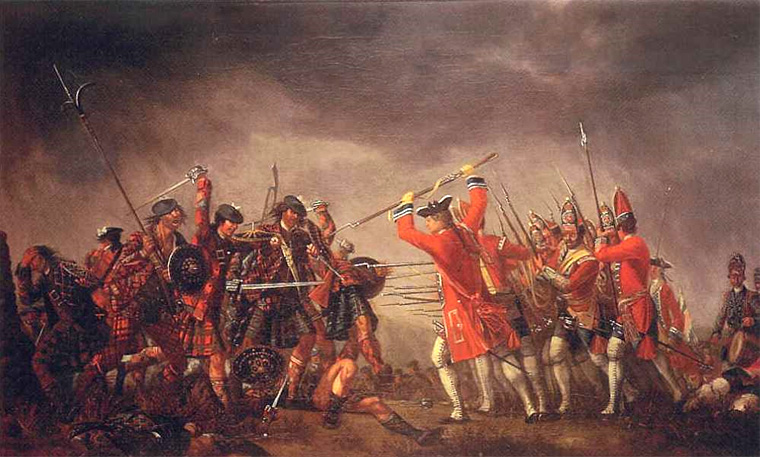
During the Jacobite Rising of 1745, the MacColls formed a significant part of the Appin Regiment. They paid a heavy price for their loyalty at the Battle of Culloden (1746). Of the 109 men from the Appin Regiment killed or wounded, 33 were MacColls, proving their dedication to the cause.
The Leap of Angus Ban (1602) The clan was also known for its strength and agility. In 1602, a raiding party of MacColls encountered a superior force of MacPhersons at Drumochter. A desperate battle ensued, and the MacColls were decimated.
The MacColl leader, Angus Ban, fought valiantly until he was the last man standing. Facing overwhelming odds, he fought his way backward to the edge of a deep chasm. displaying incredible athleticism, he leaped backward across the abyss to safety—a feat no MacPherson dared to attempt.
MacColls of Loch Fyne and Cultural Legacy Another branch of the clan settled around Loch Fyne, where they were often associated with Clan MacNaughton and later the Campbells. This region produced the clan's most famous literary figure, Evan MacColl (1808–1898). Born at Kenmore, he became known as the "Mountain Minstrel" (Clarsach nam Beann), a celebrated poet in both Gaelic and English. A monument to his memory was unveiled in 1930 by the Duke of Argyll.